Can emotional trauma increase your cancer risk? In today’s fast-paced and often overwhelming world, the connection between mind and body is no longer a fringe idea-it is a growing field of scientific inquiry. But this one question continues to surface with urgency:
From an integrative health perspective, the answer is not as simple as “yes” or “no.” Instead, it reveals a deeper truth about how unresolved stress, emotional wounds, and biological processes are intimately connected.
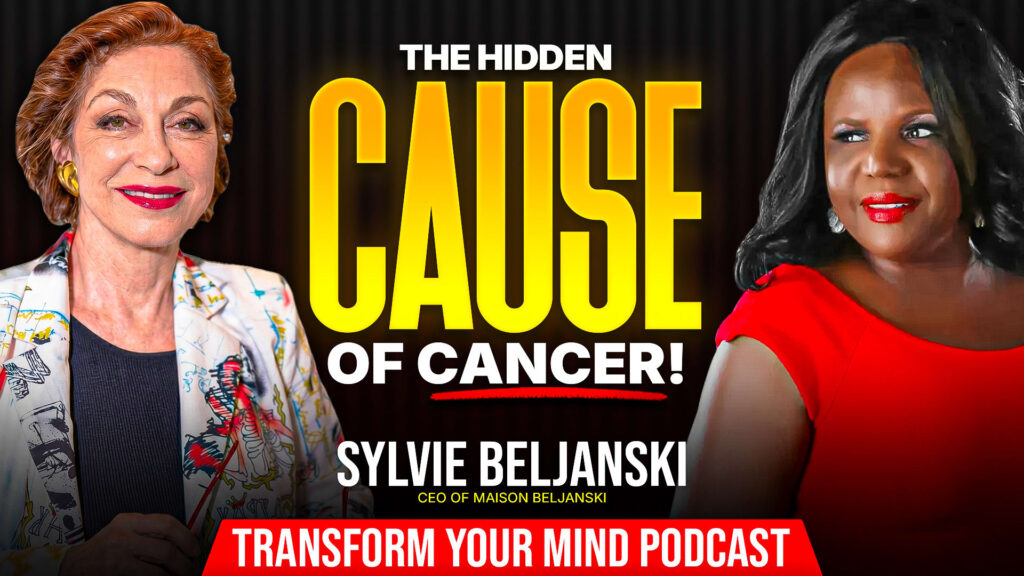
My guest Sylvie Beljanski delves into the impact of unresolved trauma, stress, and lifestyle on cancer risk. Sylvie, founder of the Beljanski Foundation and author of “Winning the War on Cancer,” shares insights on integrative cancer treatment, offering hope and empowerment.
Discover how emotional healing can aid physical recovery and learn about Sylvie’s work in advancing natural cancer therapies. Gain insights into transforming fear into hope to create a healing environment within yourself. Tune in for a compelling exploration of holistic healing.
The Biology of Trauma: When Stress Becomes Cancer Risk
Psychological trauma-whether from childhood adversity, prolonged stress, or major life events-activates the body’s stress response system.
When this response becomes chronic, it can lead to:
- Persistent elevation of stress hormones like cortisol
- Inflammation throughout the body
- Dysregulation of the immune system
Scientific research shows that chronic stress can weaken immune defenses, potentially reducing the body’s ability to detect and destroy abnormal cells.
Over time, this creates an internal environment where disease-including our cancer risk-may be more likely to develop.
What Science Actually Says (and Doesn’t Say)
It’s important to stay grounded in evidence.
Mainstream research acknowledges that stress plays a role in cancer progression and overall health, but stops short of declaring it a direct cause.
Studies suggest:
- Stress clearly impacts tumor growth in animal models
- Human studies show associations, but not definitive causation
- Cancer risk is multifactorial-including genetics, environment, and lifestyle
In other words:
- Trauma alone doesn’t “cause” cancer
- But it may contribute to a biological environment where cancer can thrive and thus increases your cancer risk.
The Integrative Perspective: Connecting the Dots
At The Beljanski Foundation, the focus is on understanding cancer holistically=not just as a genetic disease, but as a condition influenced by:
- Environmental toxins
- Lifestyle factors
- Emotional and psychological stress
The work inspired by Mirko Beljanski emphasizes how cellular health and DNA integrity can be impacted by external and internal stressors.
From this perspective, chronic trauma may not initiate cancer directly-but it can:
- Disrupt cellular communication
- Increase oxidative stress
- Reduce the body’s resilience to abnormal cell growth
Trauma, the Nervous System, and the Immune Response
One of the most compelling links between trauma and disease lies in the nervous system.
Unresolved trauma can keep the body locked in a fight-or-flight state, leading to:
- Chronic inflammation
- Hormonal imbalances
- Impaired immune surveillance
And since the immune system plays a key role in identifying and eliminating cancer cells, any long-term disruption matters.
Even institutions like Stanford Medicine recognize that psychological distress significantly impacts health and quality of life in cancer patients.
A More Empowering Truth
Here’s where the conversation shifts-from fear to empowerment.
If chronic trauma can influence disease risk…then healing trauma may support better health outcomes.
This doesn’t mean trauma survivors are destined for illness. Far from it.
It means:
- The body is adaptable
- The nervous system can be rewired
- Healing emotional wounds may restore biological balance
Practical Steps to Reduce Cancer Risk Factors
An integrative approach to health includes both physical and emotional care:
#1. Regulate the Nervous System
Practices like breathwork, meditation, and somatic healing help shift the body out of chronic stress.
#2. Process Stored Trauma
Therapies such as EMDR, trauma-informed coaching, or journaling can help release unresolved emotional patterns.
#3. Support Immune Health
Nutrition, sleep, and targeted supplementation play a role in strengthening the body’s defenses.
#4. Reduce Environmental Toxins
Limiting exposure to harmful chemicals aligns with the Beljanski focus on protecting DNA integrity.
Biological Mechanisms of Cancer Risk Factors
Chronic trauma triggers long-term activation of the body’s stress response systems, primarily the hypothalamic-pituitary-adrenal (HPA) axis and the sympathetic nervous system. This can lead to:
- Immune Suppression: Sustained release of cortisol and adrenaline can weaken the immune system’s "surveillance" capability, making it harder for the body to find and destroy abnormal cells before they become cancerous.
- Chronic Inflammation: Stress hormones promote persistent, low-grade inflammation, which is a known hallmark of cancer that helps tumor cells grow, survive, and spread.
- DNA Damage: Some research suggests that stress hormones can interfere with DNA repair processes and increase the degradation of p53, a protein essential for preventing tumor formation.
Epidemiological Findings
Studies on different populations show varying results, often depending on the type of cancer:
Positive Associations:
Some large-scale studies have found that women with high levels of Post-Traumatic Stress Disorder (PTSD) symptoms have a significantly higher risk (nearly twofold in some reports) of developing ovarian cancer. Other studies link Adverse Childhood Experiences (ACEs) to increased odds of various cancers in adulthood.
Inconclusive or Null Results:
Meta-analyses of over 100,000 women have found no consistent evidence linking perceived stress or adverse life events to breast cancer. Similarly, a comprehensive Danish study found no overall association between PTSD and most types of cancer.
Indirect Cancer Risks:
Trauma often leads to behavioral changes-such as increased smoking, alcohol consumption, or poor diet-which are well-established, direct cancer risk.
Emotional Healing: A Foundational Pillar in Cancer Recovery
Cancer is a multifaceted disease influenced by genetic, environmental, and emotional factors. Within the conversation on the Transform Your Mind Podcast, it became evident that addressing emotions is a crucial part of the healing journey.
Sylvie Boljansky stated, “We hold our issues in her tissues,” emphasizing the connection between emotional distress and physical ailments. These stored emotions can manifest as chronic illnesses, including cancer. Sylvie recounted how failure in relationships or unresolved childhood trauma might influence one’s cancer risk.
Exploring how emotions play into cancer, Sylvie highlighted the importance of managing emotions: “We are not just raw emotions. We have the power to control, to harness our emotion, to transform them into something bigger.” This notion underlines a transformative approach where patients navigate from being emotionally reactive to stable by admitting to and processing their emotions consciously.
By embracing holistic emotional health, patients set a solid foundation for physical healing. This comprehensive process not only improves their quality of life but also optimizes their body’s innate ability to fight cancer, underscoring that emotional healing plays a fundamental role in cancer recovery.
Embracing Integrative Cancer Treatments: Pathways to Comprehensive Healing
Traditional cancer treatments often revolve around the tumor, focusing on surgical, chemo, or radiotherapy interventions. However, the transcript sheds light on an integrative approach that encompasses conventional and holistic treatments, fostering a comprehensive healing environment.
Sylvie Boljansky discussed her foundation’s efforts in promoting integrative treatments that combine plant extracts with conventional therapies. She emphasized that “the synergy has been demonstrated” in treatments where plant extracts enhance chemotherapy’s effectiveness without added toxicity. This integrative approach allows patients more choices, aligning treatments with their body’s needs and personal values.
Myrna’s insights into conventional methods echoed the need for a balanced approach. Reflecting on her sister’s cancer fight, Myrna noted, “Sometimes God has to break something down before he builds it back up,” likening chemotherapy’s ability to dismantle the disease as a precursor to restoring health.
Thus, awareness and openness to integrative treatments empower patients to make informed decisions. This holistic avenue aligns with the complexity of cancer, advocating for a proactive, informed path to recovery that respects diverse treatment modalities and patient preferences.
Education and Time: Empowerment in the Cancer Journey
Empowerment through education stood out as a powerful theme throughout the discussion. The ability for patients and caregivers to slow down, educate themselves, and explore options fosters a sense of control and confidence in the cancer journey.
Sylvie emphasized the importance of patient agency in decision-making: “Allow yourself, I mean, you put yourself first,” suggesting that time away from the doctor’s office pressure can lead to more personalized, appropriate treatment choices.
Similarly, the role of proactive education in patient empowerment is crucial. Patients informed of their condition can better navigate the complexities of cancer risk and treatments. Ask pertinent questions, and pursue treatments that align with personal values and scientific backing. Myrna reinforced this, stating that understanding one’s options “creates an environment inside yourself where healing is possible.”
Overall, empowering patients with knowledge and time to make decisions builds not only an internal framework for managing cancer risk but also positions them to actively engage in their health outcomes.
Emphasizing emotional intelligence and empowerment within the cancer healing journey sets a precedent for holistic recovery. When Myrna opened the discussion by asking, “Are you ready to transform your mind so you can transform your life?” it perfectly encapsulated the essence of healing: transformative shifts in mindset, emotions, and actions pave the way for overall wellness.
This integration of emotional, physical, and spiritual healing not only impacts your cancer risk but also enhances the quality of life, giving patients hope and agency over their healing journey.
Final Thoughts: The Mind–Body Connection Matters
The question isn’t simply whether trauma causes cancer.
The deeper question is:
What kind of internal environment are we creating in our bodies every day?
Chronic psychological trauma may not be a direct cause-but it is a significant piece of the puzzle.
And the good news?
That piece is one we can begin to heal.
The relationship between chronic psychological trauma and cancer risk is a topic of significant scientific interest, but the current evidence is mixed and complex. While researchers have not proven that trauma directly “causes” cancer in the same way tobacco or certain viruses do, chronic stress and trauma create biological environments that may support cancer development or progression.
Faq’s
What are the symptoms of unresolved trauma?
Common symptoms include anxiety, depression, emotional numbness, hypervigilance, panic attacks, sleep problems, chronic stress, difficulty trusting others, people-pleasing, perfectionism, low self-esteem, and physical symptoms such as chronic pain or digestive issues.
Can trauma affect physical health?
Yes. Research suggests unresolved trauma may contribute to chronic inflammation, cardiovascular disease, autoimmune disorders, digestive problems, chronic pain, headaches, and metabolic dysfunction by keeping the body’s stress response activated.
Can trauma be stored in the body?
Traumatic experiences can lead to lasting changes in the nervous system, muscle tension, breathing patterns, and stress hormones. Many trauma-informed practitioners describe this as trauma being “held” in the body because its effects are expressed physically long after the event has passed.
Can trauma increase inflammation?
Chronic stress associated with unresolved trauma may contribute to persistent inflammation in the body. Researchers continue to study how long-term stress affects immune function and chronic disease risk.
Can trauma cause autoimmune disease?
Trauma alone does not directly cause autoimmune disease, but studies suggest chronic stress and adverse childhood experiences may increase the risk of immune system dysfunction in some individuals alongside genetic and environmental factors.
Additional Resources
- Beljanski Foundation: beljanski.org
- Integrative Cancer Conference: integrativecancerconference.com
- Winning the War on Cancer by Sylvie Beljanski: Available in various book retailers for insights into natural cancer treatments.
- Maison Beljanski: maisonbeljanski.com, for information on dietary supplements and holistic approaches.
- Can You Turn Off Cancer With Your Mind?
Sponsors of this podcast
Spark Energy + Focus is your go-to pre-workout ritual when you need reliable energy to power through the day. drinkspark.com and use code TRANSFORM for 30% off and free shipping.
With Wegovy at Hers, lose up to 20% or more of your body weight when combined with diet and exercise. Visit forhers.com/transform to get personalized, affordable care that gets you.