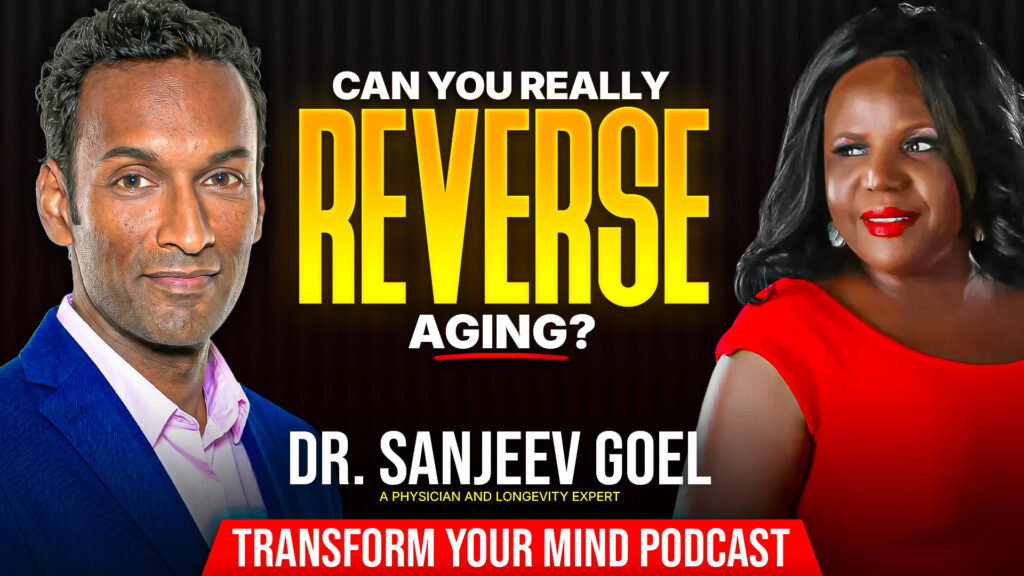
Explore the science of longevity with Dr. Sanjeev Goel, a physician and longevity expert, as he delves into anti-aging strategies, the role of genetics, and lifestyle changes for a healthier future.
Discover the impact of meditation, exercise, and technology on mindfulness and stress management. Learn about emerging therapies like plasma exchange and peptides, and practical ways to incorporate strength training and mindfulness into your daily routine.
Dr. Goel’s insights provide a holistic approach to living consciously and enhancing both your lifespan and quality of life.
Key Takeaways
- Embracing mindfulness and personalized medicine are crucial for sustainable longevity.
- Understanding the impact of technological stimulation on our minds can lead to healthier mental practices.
- Simple, consistent lifestyle changes today can significantly enhance our future well-being.
In a rapidly advancing world where technology and medicine continually intertwine, there’s an imperative to explore how these domains can cohesively enhance human longevity. This exploration is at the heart of a compelling conversation with Dr. Sanjeev Goel, a pioneer in longevity and precision medicine.
The dialogue navigated through profound themes such as the reversal of aging, the mind’s vitality amidst technological distractions, and the profound practice of conscious living. Here, we unwrap the insights gleaned from this discussion and delve into actionable strategies to foster a more vibrant, prolonged life.
What is The Science of Longevity?
- Cellular damage
- Chronic inflammation
- DNA mutations
- Mitochondrial dysfunction
- Hormonal decline
- Loss of muscle mass
- Shortening of telomeres (protective caps on DNA)
Chronological Age vs. Biological Age
Your chronological age is the number of years you’ve been alive.
- Nutrition
- Sleep
- Stress
- Exercise
- Environmental toxins
- Relationships
- Trauma
- Genetics
- Lifestyle habits
Can You Actually Reverse Aging?
- Exercise
- Plant-rich diets
- Intermittent fasting
- Stress reduction
- Quality sleep
- Strength training
- Social connection
Science of Longevity: The Rise of the Longevity Industry
#1. Exercise Is One of the Strongest Anti-Aging Tools
Movement is medicine.
Regular exercise improves:
- Heart health
- Brain function
- Insulin sensitivity
- Mood
- Muscle mass
- Bone density
Strength training is especially important because muscle loss accelerates with age.
Research consistently shows that physically active people tend to live longer and experience fewer chronic diseases.
You do not need extreme workouts.
Consistency matters more than perfection.
#2. Food Can Accelerate or Slow Aging
What you eat affects inflammation, hormones, gut health, and cellular repair.
Many longevity experts recommend:
- Whole foods
- Colorful vegetables
- Healthy fats
- Lean proteins
- Fiber-rich foods
- Reduced sugar intake
Highly processed foods and chronic overeating may accelerate aging through inflammation and oxidative stress.
Some studies also suggest intermittent fasting may support cellular repair processes like autophagy, where the body clears damaged cells.
#3. Sleep Is the Body’s Repair System
Poor sleep accelerates aging faster than many people realize.
During deep sleep, the body repairs tissues, regulates hormones, strengthens memory, and clears toxins from the brain.
Chronic sleep deprivation is linked to:
- Cognitive decline
- Weight gain
- Inflammation
- Heart disease
- Weakened immunity
Longevity is not just built in the gym or kitchen.
It is built in the bedroom too.
#4. Chronic Stress Ages the Body
Stress is not just emotional-it is biological.
Long-term stress increases cortisol levels, inflammation, and cellular wear and tear.
Trauma, anxiety, unresolved emotional pain, and toxic environments can all impact biological aging.
This is why emotional healing matters.
Practices such as:
- Meditation
- Prayer
- Breathwork
- Therapy
- Journaling
- Community connection
Can positively affect both mental and physical health.
Healing the mind may also help heal the body.
#5. Social Connection Increases Longevity
One of the most overlooked longevity factors is relationships.
Research has shown that loneliness and isolation may increase the risk of premature death.
Human beings are wired for connection.
People with strong social support often experience:
- Lower stress
- Better immune function
- Improved mental health
- Greater resilience
What About Biohacking?
- Cold plunges
- Red light therapy
- Wearable trackers
- Peptides
- NAD+ therapy
- Continuous glucose monitoring
- Sauna therapy
Some methods show promise.
Others need more long-term research.
The danger is that many people chase expensive “hacks” while ignoring the fundamentals:
- sleep
- nutrition
- movement
- stress management
- emotional health
The Future of Anti-Aging Science
- Stem cells
- Gene therapy
- Cellular reprogramming
- Senolytics (drugs targeting aging cells)
- Epigenetics
Some animal studies have shown remarkable results in extending lifespan and improving health.
But human longevity science is still evolving.
While breakthroughs may come in the future, the most powerful anti-aging tools available today remain surprisingly simple.
Daily habits matter.
So… Is Reversing Aging Science or Hype?
The answer is both.
Some claims in the anti-aging world are clearly overhyped.
But the science of longevity is real.
You may not completely reverse aging, but research strongly suggests you can influence how you age.
You can:
- improve your energy
- strengthen your body
- sharpen your mind
- reduce disease risk
- increase vitality
- enhance quality of life
Perhaps the real question is not:
“Can we stop aging?”
Maybe the better question is:
“How can we age with strength, purpose, health, and joy?”
Because longevity is not just about adding years to your life.
It is about adding life to your years.
Final Thoughts
Move your body.
Feed your mind.
Heal your trauma.
Protect your peace.
Nurture your relationships.
Rest deeply.
Live intentionally.
Because aging may be inevitable…
But how you age may be more within your control than you ever imagined.