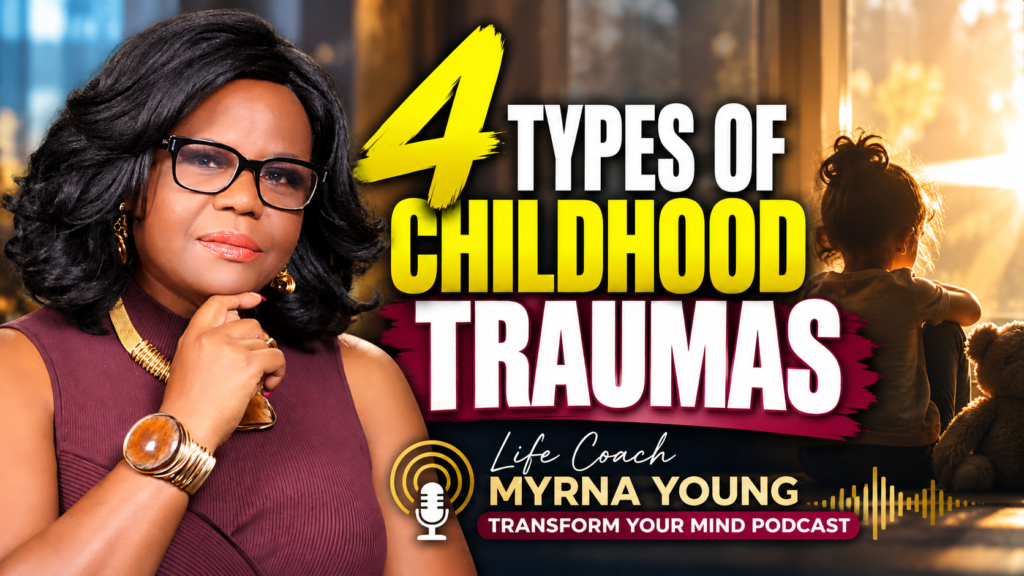
Explore how childhood trauma effects on adulthood silently shape love and life. Life coach Myrna Young delves into four core traumas: abandonment, rejection, betrayal, and neglect. Discover how these early wounds influence love, trust, and relationships. With insights from Matthew Perry‘s life, Myrna emphasizes healing through awareness, compassion, and reparenting. Uncover patterns and guide yourself towards thriving with love and self-acceptance. Join Myrna in “Transform Your Mind to Transform Your Life” and learn the power of healing to reclaim your true self.
Introduction
Welcome to a journey of self-exploration and healing, where we uncover the hidden imprints of childhood trauma in adults and their profound effects on the women we become. This article navigates through the layers of subconscious behavioral patterns derived from early experiences, as detailed in the recent episode of “Transform Your Mind to Transform Your Life” by life coach Myrna Young. We will delve into the four core childhood traumas that shape adult behavior, discussing their origins, impacts, and the empowering paths to healing.
Key Takeaways
Trauma’s Silent Imprints: Childhood trauma effects on adulthood aren’t always defined by visible events but by the unmet emotional needs and their impact on our nervous systems.
Identifying Core Traumas: Abandonment, rejection, betrayal, and neglect are the four key traumas influencing adult relationships and self-perception.
Healing and Empowerment: Recognizing these traumas and reparenting oneself can transform these scars into strengths, allowing for a more authentic and fulfilled life.
The Subtle Nature of Childhood Trauma in Effects on Adulthood
Childhood trauma in adults can be elusive, often woven into the fabric of what wasn’t explicitly expressed or provided. Myrna Young clarifies that trauma is “not just abuse or neglect, but sometimes what didn’t happen,” underscoring the absence of love, safety, and validation as critical factors. The podcast emphasizes, “Trauma isn’t the event; it’s the impact the event had on your nervous system.”
Understanding Childhood Trauma in Effects on Adulthood
Trauma’s Roots:
Trauma’s roots lie not just in dramatic events, but also in subtler emotional voids. This section highlights the silent suffering endured when essential needs are unmet during formative years. For instance, actions as seemingly benign as the consistent absence of a parent at key milestones can whisper the message that one’s achievements or presence don’t warrant attention or celebration.
Broader Implications:
The effects manifest as deep-seated insecurities that linger into adulthood, affecting one’s capacity for trust and self-worth. This awareness demands a reframing of personal history, urging individuals to reinterpret their past with compassion and understanding.
The Four Core Childhood Traumas and their Effects on Adulthood
Abandonment: The Fear of Being Left
“Abandonment trauma” is depicted as a “wound that whispers, I am not safe to be left.” Young discusses variances from physical absence to inconsistent emotional support. These experiences teach children that they must “cling, chase, or fear being alone.” The narrative of Matthew Perry, who felt compelled to leave relationships preemptively, illustrates how such childhood trauma can echo throughout one’s life. Abandonment, as Young illustrates, isn’t limited to physical departure but encompasses unmet emotional needs that can leave a profound sense of instability.
Rejection and Its Resonance
Rejection trauma penetrates deeper than abandonment, encapsulating the belief that one is fundamentally unwanted. Myrna describes this as “emotional invalidation,” leading to “people pleasing, perfectionism, and a fear of being seen.” Rejection, by its nature, informs individuals that vulnerability is a risk, discouraging them from asserting their true selves due to past experiences where authenticity wasn’t celebrated. Such visceral impacts necessitate a rigorous self-examination and the cultivation of self-worth through conscious affirmation and chosen vulnerability.
Betrayal: Trust Broken
The “wound of broken trust” arises from unmet promises and manipulations. Myrna notes that betrayal trauma teaches that one cannot “trust the people who say they love me.” Consequently, adults display control issues and hyper-independence as protective mechanisms. As expressed in the podcast, betrayal infuses a pervasive mistrust of intimacy, emphasizing self-reliance over partnership. This reality implores an intentional dismantling of barriers, advocating for a rebuild of trust through incremental steps of openness and reciprocal acknowledgment.
Neglect: The Invisible Scar
Neglect isn’t defined by what was done, but by what wasn’t. The podcast reveals how “no emotional support, affection, or guidance” results in a child learning that “my needs don’t matter.” This trauma leads to numbed emotions and dissatisfaction. It highlights how neglect can condition an individual to minimize personal needs, diminishing their ability to ask for what they deserve. To counteract neglect, Myrna advocates for encouraging self-assertion and learning to vocalize needs, a crucial step toward healing.
Childhood Trauma in Adults: Transformative Healing Practices
Building Awareness and Compassion
Myrna Young asserts, “Awareness is the first step,” encouraging listeners to recognize and accept their emotional triggers. She stresses speaking to oneself with the wanted compassion, engaging in “reparenting” to foster the emotional fulfillment lacked in childhood. This involves dispelling guilt or shame associated with past experiences and focusing on empathetic self-talk to rewrite adversities into narratives of resilience and growth.
Sponsored Ad
Are you looking for daily immune support without the pills?
Let me introduce to Immun from Gruins
They’re sour-pineapple gummies packed with vitamins, minerals, and botanicals designed to support immune health, stress resilience, and overall wellness before you feel run down.
WHAT MAKES IMMÜN DIFFERENT?
- Comprehensive Formula: 13-in-1 blend with Vitamin C, Zinc, D3, B-vitamins, elderberry, ashwagandha, turmeric, ginger, fiber and more—designed to work together, not rely on one “hero” ingredient.
- Designed for Daily Use: Balanced Vitamin C (200mg) + Zinc (15mg) for consistent, long-term immune support—not mega doses meant for emergencies.
- Stress Support: Adaptogens like Ashwagandha and Holy Basil help address everyday stress, a key factor that can weaken immune function.
Grüns | Comprehensive Daily Nutrition
Choosing New Behaviors
This phase involves embodying the self-love and validation withheld in youth, thereby creating a safety independent of external validation. Myrna encourages listeners, “You have the power now,” perpetuating the transformation of old behavioral patterns through consistent, conscious choices that prioritize emotional fulfillment and holistic well-being.
Revisiting the Journey of Healing
Myrna Young’s insights remind us that childhood trauma in adults may shape but doesn’t define us. As she articulates, “Healing is not about becoming someone new, but coming home to who you are meant to be.” Each listener is urged to examine the traumas they carry and envision what healing would entail—a reclaiming of authenticity and empowerment. The exploration of childhood trauma charts an empowered path, transcending victimhood to embrace self-defined narratives. Witness the testament of self-healing and transformation, as individuals emerge as architects of their destinies, illuminating the possibility within every scar.
FAQ’s Childhood Trauma Effects on Adulthood
- Emotional dysregulation: Frequent mood swings, intense reactions to minor triggers, or emotional numbness.
- Relational struggles: Chronic people-pleasing, fear of abandonment, trouble setting boundaries, and difficulty trusting others.
- Hypervigilance: A constant state of high alert, anxiety, or an exaggerated startle response.
- Behavioral coping mechanisms: Substance misuse, self-destructive habits, or social isolation.
- Somatic symptoms: Unexplained chronic pain, digestive issues, or fatigue tied to a dysregulated nervous system.
- Mental health conditions: Higher risk of developing depression, anxiety disorders, PTSD, or Complex PTSD (C-PTSD).
- Chronic physical illness: Sustained stress hormone activation contributes to cardiovascular disease, autoimmune conditions, and immune dysregulation.
Healing and Treatment Options
- Trauma-focused therapies: Modalities like Eye Movement Desensitization and Reprocessing (EMDR) and Trauma-Focused Cognitive Behavioral Therapy (TF-CBT) help reprocess distressing memories.
- Somatic practices: Yoga, mindfulness, and breathwork assist in calming and regulating an overactive nervous system.
- Professional guidance: Working with a specialized mental health professional provides a safe environment to unpack and heal family-of-origin wounds
Download the podcast here:
Additional Resources
- Matthew Perry’s Book: “Friends, Lovers, and the Big Terrible Thing”
- Book Reference: “Art of Exceptional Confidence” (no further details provided)
- Listen to more episodes on the “Transform Your Mind to Transform Your Life” podcast via your preferred podcast platform.
- Myrna’s book “Out of the Snares”
Discover the transformative journey of healing childhood wounds with Myrna Young as she uncovers the roots of our emotional challenges. Tune in to enrich your understanding and continue exploring personal growth with future episodes of the “Transform Your Mind to Transform Your Life” podcast.
Link to Transcript
See this video on The Transform Your Mind YouTube Channel
Unpacking the 4 Types of Childhood Traumas: How It Shapes Your Love and Life
10 Ways Childhood Trauma In Adults Impacts our Ability to Love