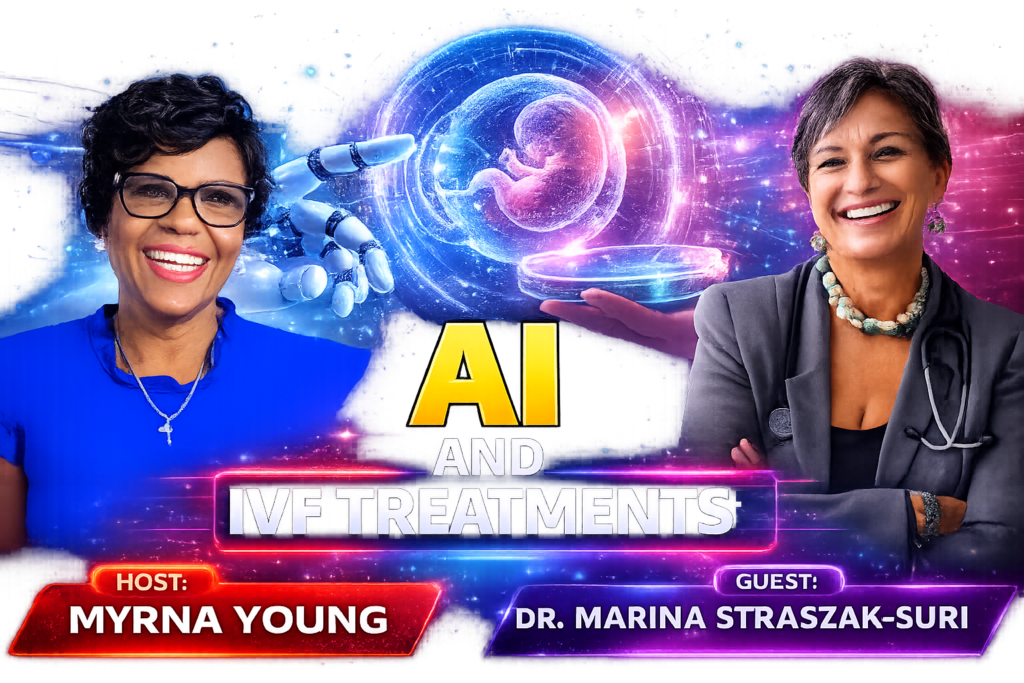
Unlocking the potential for a healthier reproductive future is not just a dream; it’s a journey of empowerment, education, and holistic transformation. Through a detailed exploration of declining fertility rates, lifestyle changes, and the interplay of modern medicine with natural strategies, women and men can reclaim control over their reproductive health.
In this article, we delve into the insights offered by Dr. Marina Siri, an expert in the field of OB GYN and author of “Optimize Your Fertility Naturally,” to shed light on the path to fertility restoration utilizing AI and IVF.
Key Takeaways
- Holistic fertility approaches: Lifestyle changes can significantly impact fertility health, emphasizing diet, exercise, and stress management.
- Chemical and environmental influences: Endocrine-disrupting chemicals impact sperm and egg quality, highlighting the need for environmental awareness.
- Empowerment through knowledge: Understanding one's body and fertility can alleviate feelings of powerlessness and promote proactive health management.
AI and IVF: Lifestyle Changes for Fertility Improvement
The Power of Diet and Exercise
The path to fertility restoration is grounded in fundamental lifestyle choices. Dr. Marina highlights the importance of diet with a striking revelation from her research: women who consume fast food more than four times a week experience notably lower fertility rates.
This underpins the necessity of moving away from processed foods laden with chemicals and moving toward a diet rich in whole foods and natural ingredients. As Dr. Marina puts it, “We have to try to get back and eat more whole food, more natural food, more vegetables.”
Exercise also plays a pivotal role. Regular movement not only boosts fertility in women but significantly improves sperm quality in men. Dr. Marina emphasizes that “exercise definitely improves your fertility for men and women, there’s no question.” By incorporating regular physical activity into daily routines, individuals can not only avert the decline in fertility but also promote overall well-being.
Impact of Chemical Exposure on Reproductive Health
Addressing Environmental and Chemical Factors
In today’s world, endocrine-disrupting chemicals present in the environment have become significant impediments to fertility. Dr. Marina draws attention to concerning statistics, such as the dramatic decline in men’s sperm counts-over 50% in just two generations. This decline is largely attributed to chemicals like phthalates found in plastics and fragrances, which adversely affect sperm and egg quality.
“It’s the elephant in the room,” Dr. Marina asserts, highlighting the glaring necessity to address these environmental toxins. The broader implications of this are profound, suggesting an urgent reevaluation of lifestyle habits and choices concerning exposure to harmful substances.
Key Uses of AI in IVF
- Embryo Selection: AI analyzes time-lapse images and cell growth patterns to score viability and predict implantation success faster than manual reviews.
- Personalized Treatment: Machine learning models study patient data to recommend tailored ovarian stimulation protocols and dosage plans.
- Personalized Treatment: Machine learning models study patient data to recommend tailored ovarian stimulation protocols and dosage plans.
- Gamete Assessment: Algorithms assist in evaluating egg and sperm quality objectively to reduce subjective grading errors.
- Automation and Robotics: Emerging tech systems help streamline microinjections and routine lab annotations.
- Benefits: Speeds up evaluation times, reduces subjectivity, and assists clinics via platforms like AIVF to optimize workflows.
- Limitations: Concerns remain over data privacy, "black box" algorithmic opacity, and the need for broader clinical trials to confirm live-birth improvements.
The Role of Knowledge and Empowerment
Understanding and Trusting the Body
Education and awareness are the cornerstones of empowerment when it comes to reproductive health. Many women, as Dr. Marina explains, feel powerless when faced with fertility challenges. By understanding the body’s natural rhythms and influences, women can transform this powerlessness into proactive health management. Dr. Marina advocates for a “knowledge is power” approach, encouraging women to learn about their reproductive cycles and health to make informed decisions.
Moreover, she underscores the importance of integrating modern techniques, such as artificial intelligence – AI to assess egg quality in IVF-an example of bridging modern reproductive medicine with holistic approaches. As she elaborates, AI can now predict how likely an egg is to be fertilized, offering a glimpse of hope for those exploring IVF fertility treatments.
A Holistic Perspective for a Healthier, Fertile Future Using AI and IVF
Improving reproductive health is a multifaceted journey that necessitates a blend of lifestyle changes, environmental mindfulness, and informed decision-making. The insights provided by Dr. Marina shed light on the potential for holistic wellness to enhance fertility outcomes naturally. From dietary adjustments to exercise routines and environmental awareness, individuals can navigate their fertility journey with a renewed sense of agency.
By embracing this integrated approach, couples worldwide can take proactive steps in safeguarding their reproductive future using AI and IVF. As Dr. Marina aptly states, “There are ways to do it. And if you approach it from a holistic point of view, then it might work for you.” Fertility restoration is achievable, rooted in the understanding and partnership with one’s body-a powerful testament to the potential for transformation and the realization of dreams long held dear.
Common Types of Fertility Treatments
- Ovulation Induction: Uses oral or injectable hormones to stimulate the ovaries to release eggs.
- Intrauterine Insemination (IUI): Places washed and prepared sperm directly into the uterus around the time of ovulation.
- In Vitro Fertilization (IVF): Combines mature eggs and sperm in a laboratory outside the body, then transfers the resulting embryo into the uterus.
- Lifestyle & Supplements: Adjusting diet, managing stress, and reducing alcohol or tobacco use can also support medical plans
FAQ's AI and IVF Fertility Treatments
When should I see a specialist?
A. Generally, if you are under 35 and have not conceived after one year of unprotected intercourse, or over 35 and trying for six months.
Is IVF the first step?
Are treatments painful?
Is IVF painful?
A. The injections use tiny needles and cause minimal discomfort. The egg retrieval happens under sedation so you will not feel it, though you may have mild cramping or bloating afterward.
What are the odds of twins or triplets?
A. Historically high, but modern practices prefer an Elective Single Embryo Transfer (eSET). Transferring one healthy embryo at a time lowers the risk of multiple births while maintaining high success rates.
How much does it cost?
A. In the United States, a single IVF cycle averages $15,000 to $27,000. This cost varies based on your clinic, required pharmacy medications, and whether you use advanced testing.
What is PGT?
Sponsors of this Podcast
Quince
Quince is not just apparel.
The Brand also offers elevated essentials for your home, from bedding and bath, to kitchen essentials and furniture.
Make your summer wardrobe feel easier. Go to Quince.com/tym for free shipping on your order and 365-day returns