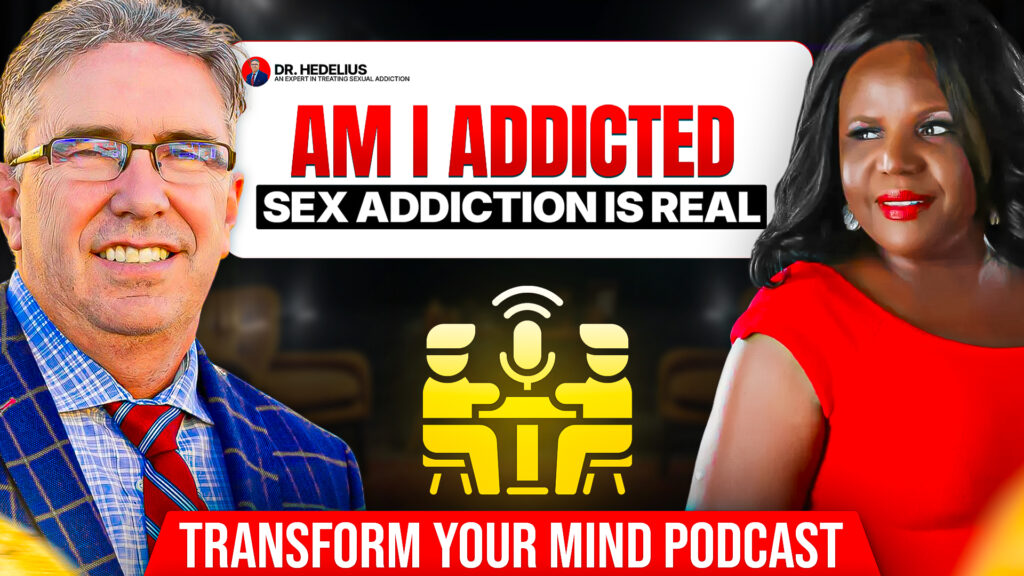
Join host Myrna Young in a deep exploration of sexual addiction and recovery with Dr. Matthew Hedelius, director of Paradise Creek Recovery Center. Discover how attachment ruptures from childhood contribute to addictive behaviors and the role of mindfulness, therapy, and community in healing.
Dr. Hedelius explains the comprehensive six-week recovery program and shares insights on rebuilding healthy connections and maintaining long-term sobriety. Whether for yourself or a loved one, learn about the transformative journey of overcoming sexual addiction through understanding, support, and the power of human connection.
Key Takeaways
- Understanding Roots: Sexual addiction is often rooted in early life attachment ruptures and unresolved needs for connection.
- Holistic Healing Approaches: Effective treatment combines mindfulness, somatic therapies, and community support to address addiction comprehensively.
- Rebuilding Connections: Establishing healthy relationships is crucial for long-term recovery and personal growth.
What is Sexual Addiction
Key Aspects of Sex Addiction
- Behavioral Addiction: Similar to substance addiction, it is a compulsive need to engage in sexual acts for relief, often causing shame, guilt, and emotional distress.
- Symptoms: Signs include inability to control sexual urges, excessive time spent on sexual activities (e.g., pornography, paid sex), and continuing behavior despite risks.
- Underlying Causes: It is often considered an "intimacy disorder" rooted in emotional trauma, neurological imbalances, or as a coping mechanism for depression/anxiety.
- Treatment: While not always classified in the DSM-5, it is treated as a behavioral disorder using Cognitive Behavioral Therapy (CBT), therapy, support groups (12-step programs), and sometimes medication.
Exploring the Mind Connection: Attachment Ruptures and Sexual Addiction
From the outset, understanding the mind’s role in these addictions is crucial. The conscious and unconscious thoughts motivated by past experiences significantly influence behaviors. As Dr. Hedelius points out, “at the most basic level, a person will never do anything that is not thought about first.”
These behavioral patterns stem from attachment styles crafted during vulnerable stages of life and manifest in adult intimacy struggles. The journey to addressing sexual addiction requires acknowledging these profound and often unconscious drivers.
The implications here suggest a need for therapeutic practices that can trace these origins and help individuals reconnect with healthier attachment styles. The understanding that these behaviors are efforts to seek pseudo-connections sheds light on the importance of addressing these deep-seated issues.
Symptoms of Sexual Addiction

Core Symptoms of Sex Addiction
- Lack of Control: Repeated, failed attempts to reduce or stop sexual behaviors.
- Preoccupation: Sexual thoughts, fantasies, or urges consume significant time and attention.
- Negative Consequences: Continuing behaviors despite severe outcomes, such as job loss, relationship breakdown, financial strain, or legal issues.
- Escalation: Needing more frequent or riskier sexual experiences to achieve the same satisfaction.
- Emotional Distress: Deep feelings of guilt, shame, or anxiety following sexual actions.
- Neglect of Obligations: Ignoring work, school, family, or self-care to engage in sexual acts.
- Risky Behavior: Engaging in unprotected sex, prostitution, or exhibitionism.
Common Manifestations
- Excessive use of pornography.
- Obsessive pursuit of hookups or affairs.
- Compulsive masturbation.
- Using sexual activity to escape stress, loneliness, or depression.
Sponsored Ad
Holistic and Mindful Recovery: Transforming Lives
Paradise Creek Recovery Center, under Dr. Hedelius’s direction, advocates for a treatment philosophy that embraces the whole person-mind, body, and spirit. This comprehensive approach is pivotal in facilitating actual transformation. The center incorporates mindfulness and experiential therapies that regulate the nervous system. And encourage the development of healthier responses to stressors.
Dr. Hedelius outlines how daily mindfulness practices, yoga, nature hikes, and sound therapy play integral roles in the recovery process. He discusses the benefits: “Mindfulness practice can strengthen the cingulate cortex along the brain. Which is responsible for regulating emotion and stress.”
These practices help reshape how individuals handle stress and emotions, directly counteracting the impulsive behaviors associated with addiction.
Meanwhile, experiential therapies create environments where individuals can safely explore their emotional landscapes and practice healthier interactions. The center’s design of therapeutic activities fosters an inner calmness necessary for recovery. And offers a space for personal exploration, skill development, and therapeutic healing.
The holistic model presents a proactive strategy that goes beyond immediate symptom relief. It addresses the broader, intricate interplay between brain function and behavior, offering hope for long-term recovery.

Treatment Options for Sexual Addiction
Key Treatment Modalities
- Psychotherapy: The primary treatment, often using Cognitive Behavioral Therapy (CBT) to identify triggers, change unhelpful thoughts, and develop coping skills. Other therapies include Psychodrama, Trauma-Focused Therapy, and EMDR.
-
Support Groups
12-step programs offer community support, such as:
- Sex Addicts Anonymous (SAA) SAA.
- Sexaholics Anonymous (SA).
- Sex and Love Addicts Anonymous (SLAA)
- Medication: While no medication is approved solely for sex addiction, providers may prescribe antidepressants (SSRIs), naltrexone, or mood stabilizers to manage obsessive thoughts, anxiety, or high-intensity urges.
- Treatment Centers: Inpatient, residential, or intensive outpatient programs are available for more severe cases, often combining group, individual, and trauma-focused therapy.
Goal of Treatment
The objective is not to eliminate sex drive but to achieve a “balanced” sexual life, managing compulsive behaviors. Reducing shame and stress and improving overall mental health.
When to Seek Help
Sponsored Ad
- Let Spark Energy + Focus be your go-to drink for pre-workout rituals or when you need reliable energy to power through life. Mix it, sip it, and get dialed in and ready to go!
- With 0g of sugar, and essential vitamins and amino acids for mental focus, Spark supports reliable, sustained energy and focus without that jittery spike-and-crash feeling.
- Make it your go-to pick-me-up for the 2 pm slump or swap coffee for Spark to start the day strong.
- Spark has 120mg of caffeine
- Amino acids and taurine help balance the caffeine without jitters or crashes.
- Choline supports performance, mental focus, and clarity.
- Trusted by millions with thousands of 5-star reviews.
Reconstructing Attachments: Building a Support Network
Reestablishing healthy relationships is at the core of overcoming sexual addiction. The recovery journey at Paradise Creek is described not only as an opportunity to manage addictive behaviors but as a path to gaining genuine connection and support. Clients are engaged in defining what healthy relationships look like and are guided in cultivating these essential connections.
Dr. Hedelius advises, “We encourage people to identify who these people are and then make invitations to invite them into that inner circle of their life while they’re in treatment.” This effort is about redefining social circles with a mindful approach to secure, supportive relationships. Patients are urged to look beyond the treatment period and actively cultivate these circles, understanding them as vital components of lasting recovery.
This rebuilding process is crucial because it offers a network of accountability and ongoing support that can help former patients maintain progress. Additionally, partnerships formed during this period provide continuous sources of motivation and safety. Which are crucial, especially when facing life’s inevitable challenges post-recovery.
The multifaceted approach to treating sexual addiction as advocated by Dr. Matthew Hedelius addresses not just the symptoms but the layered complexities of human connection and psychological well-being. By focusing on deeper attachment issues and rebuilding through mindful recovery methods.
Individuals struggling with sexual addiction have the opportunity to transform their lives profoundly and permanently. These practices and philosophies emphasize the potential for healing and long-term change within supportive and nurturing environments, reiterating that personal growth and recovery are within reach.

Can People Recover From Sexual Addiction?
- Treatment Options: Therapy (specifically Cognitive Behavioral Therapy), specialized counseling, medication, and, in some cases, inpatient treatment is effective.
- Support Groups: Programs like Sex Addicts Anonymous (SAA), Sexaholics Anonymous (SA), and Sex and Love Addicts Anonymous (S.L.A.A.) provide crucial peer support.
- Defining Boundaries: Recovery often requires defining personal boundaries to manage or abstain from specific behaviors that trigger the addiction.
- Stages of Recovery: Recovery involves moving from a crisis state to a growth stage, where the individual learns to manage urges, takes responsibility, and develops healthy relationships.
- Relationship Healing: With consistent effort and transparency, addicts can repair relationships, though partners may require their own, sometimes longer, healing process.
Additional Resources
- Paradise Creek Recovery Center Website: paradisecreekrecovery.com
- Phone: 1-855-442-1912
- Dr. Matthew Hedelius on Instagram
- How To Break Your Attachment Style with IMAGO Therapy
- Drug Addiction: How To Spot An Addict
- Understanding The Signs Of High-Functioning Drug Addiction