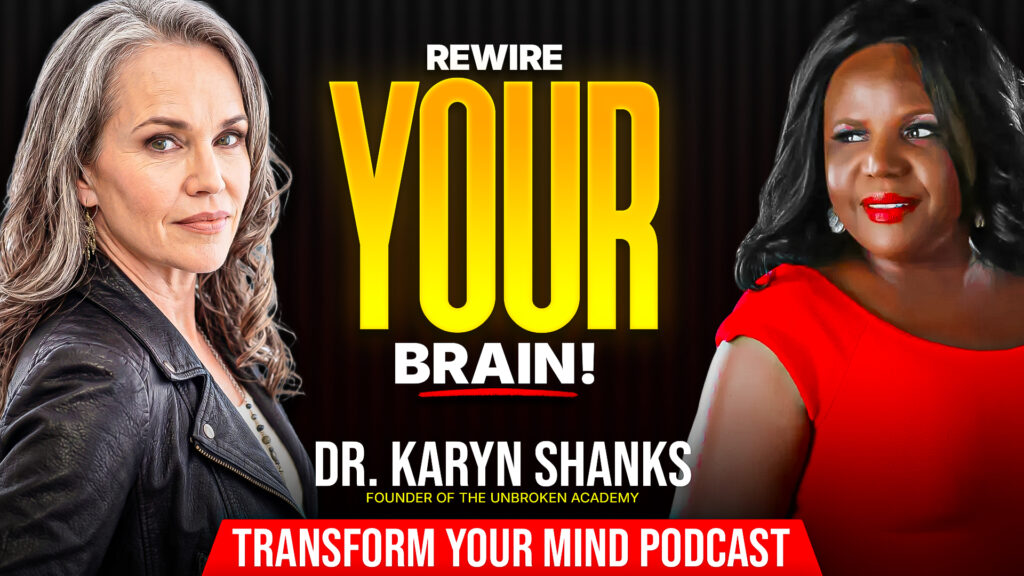
Science is now confirming what many of us have felt deep inside: you can change. Through the powerful forces of epigenetics and neuroplasticity, you have the ability to rewire your brain, reshape your responses, and ultimately transform your life. You are not broken.
Key Takeaways
- Understanding the interplay of mind, body, and spirit is crucial to overcoming chronic illness and emotional disconnection.
- Epigenetics and neuroplasticity offer profound possibilities for altering health outcomes and reshaping personal narratives.
- Holistic approaches that integrate scientific, emotional, and personal growth dimensions are essential for true healing.
You Are Not Stuck-You Can Rewire Your Brain
- Negative thinking can become a habit
- Fear can become automatic
- But so can confidence, peace, and resilience
Epigenetics: You Are Not a Prisoner of Your DNA
- Your genes can be turned on or off based on your environment, thoughts, and behaviors.
- Your lifestyle-what you eat, how you think, how you manage stress-sends signals to your body that influence how your genes express themselves.
The Hidden Connection Between Trauma and the Brain
If you’ve experienced childhood trauma, rejection, or emotional pain, your brain adapted to protect you.
- You may overthink to stay safe
- You may shut down to avoid pain
- You may people-please to feel accepted
Sponsored Ad
How to Rewire Your Brain Today
Transformation doesn’t happen overnight-but it does happen intentionally.
#1. Become Aware of Your Patterns
- Your automatic thoughts
- Your emotional triggers
- Your default reactions
#2. Interrupt the Old Pattern
- Is this thought true?
- Is this helping me?
#3. Replace with a New Thought
- “I’m not good enough”
- “I am learning to trust myself.”
#4. Use Repetition to Build New Pathways
- Affirmations
- Visualization
- Journaling
- Prayer or meditation
#5. Create an Environment That can Rewire Your Brain
- Positive influences
- Uplifting content
- Supportive people
Embracing the Science of Human Potential: Epigenetics and Neuroplasticity
Epigenetics and neuroplasticity affirm that we are “never truly broken.”
Epigenetics Unpacked
Dr. Shanks meticulously explains epigenetics as “the science that has discovered that our genetic code and how it expresses itself in terms of who we are… those genes and their potential are not set in stone.” This discovery implies that lifestyle and environmental factors-including diet, sleep, and emotional states-can influence gene expression.
Neuroplasticity's Role in Rewiring Your Brain
The Interconnection of Trauma and Chronic Illness
A central theme emerging from the conversation is how trauma affects chronic illness and prolongs suffering, calling for a holistic understanding of the symptoms we exhibit.
Trauma's Profound Influence
Behavioral Manifestations
Redefining Medical Paradigms: The Role of Functional Medicine in Rewiring the Brain
Addressing the Disconnection
Functional Medicine's Holistic Approach
Reimagining Health and Personal Empowerment
Creating a Relationship with Self
True transformation begins with introspection. Dr. Shanks states, “We have to help them create a relationship with themselves,” urging individuals to engage in regular self-check-ins. “Who are you? What do you need?” Establishing a compassionate dialogue with oneself is foundational for unlocking potential and guiding health-conscious decisions.
Small Steps to Big Changes
Faq’s
What is trauma?
Trauma is the emotional, psychological, and physical response to an overwhelming experience that exceeds a person’s ability to cope. Trauma can result from a single event, repeated experiences, or long-term childhood adversity. It affects the brain, nervous system, body, emotions, and relationships.
What are the symptoms of unresolved trauma?
Can trauma affect physical health?
Yes. Research suggests unresolved trauma may contribute to chronic inflammation, cardiovascular disease, autoimmune disorders, digestive problems, chronic pain, headaches, and metabolic dysfunction by keeping the body’s stress response activated.
Can trauma change the brain?
Yes. Trauma can affect areas of the brain involved in memory, emotional regulation, fear responses, and decision-making. The encouraging news is that the brain remains adaptable throughout life and can change through healing, therapy, healthy relationships, and intentional practices.
Can trauma affect memory?
Final Thought: The Power Is Already Within You can Rewire Your Brain
The most important thing to understand is this:
- Your brain is always listening to you.
- Every thought is a command.
- Every belief is a blueprint.
- Every action is a vote for the person you are becoming.
- So choose wisely.
- Because you are not just living your life…
- you are wiring it.
Additional Resources
- Books by Dr. Karyn Shanks:
- "Heal: A Nine Stage Roadmap to Recover Energy"
- "The Wisdom of COVID-19: How to Rejuvenate, Reclaim, Hope and Heal"
- "Unbroken: Reclaim Your Wholeness"