
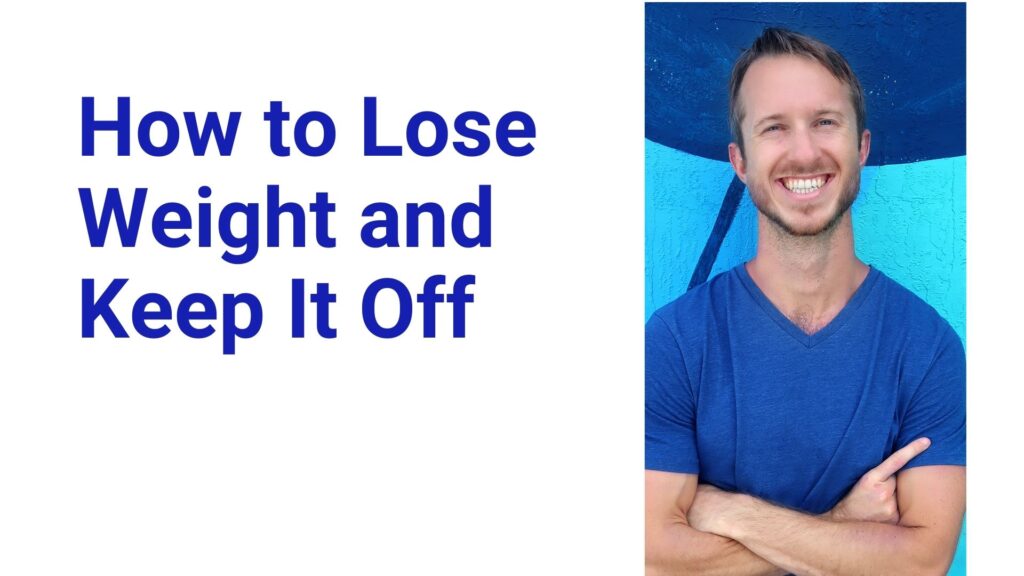
PAUL SALTER is a Registered Dietitian, Coach, Author, and sustainable weight loss, Expert, shares how trauma affects the body physically resulting in weight gain. Its related challenges aren’t related to lack of nutrition or knowledge. But are actually projections of deeper rooted emotional and psychological challenges.
We won’t be able to maintain sustainable weight loss, until those challenges are acknowledged and overcome. His passion is helping men and women just like you re-frame their thoughts and reshape their behaviors so that they can transform their relationship with food and dieting, and finally, lose weight, once and for all. He addresses how emotional trauma affects weight gain.
Why and How Trauma Affects the Body Physically
In this audio and blog, we’re going to be discussing how to guarantee a successful, weight loss, how to lose weight, and keep it off.
Becoming a Sustainable Weight Loss Expert. How Trauma is Stored in the Body
- Nervous System Dysregulation: The brain’s fear center (amygdala) becomes overactive, leading to chronic adrenaline and cortisol production. This keeps the body in a state of high alert or “fight, flight, or freeze,” even without a current threat.
- Somatic Memory/Body Tension: Trauma can be held as “somatic memory,” where physical sensations and pain persist long after the event. This often manifests in muscles, tissues, and organs, especially in the neck, shoulders, and jaw.
- Physical Armor (Muscular Guarding): To avoid experiencing fear, the body creates protective patterns, particularly in the psoas muscles and hips.
- The Hippocampus Dysfunction: The hippocampus, responsible for processing memories, functions poorly, often failing to differentiate past trauma from the present, leading to physical flashbacks. Riviera Therapy +5
- Chronic pain and unexplained physical symptoms.
- Digestive dysfunction (like Irritable Bowel Syndrome).
- Difficulty sleeping, nightmares, and chronic exhaustion.
- Inflammation and weakened immune system.
- Weight gain
As you can imagine it was quite challenging to keep up with all of my peers who were bigger, stronger and faster than me. It finally clicked one day, and I don’t know why. I like to give my mother all the credit for helping me figure out how emotional trauma affects weight gain. And what I was eating and putting into my body.
This, nutrition, enabled me to perform better during sport practices and competition. I was able to keep up with everyone despite the size disadvantage that they had. I took that nugget of knowledge with me and carried it into College, where I shared my new found love for exercise, weight lifting, and, nutrition, with friends.

Sponsored AD
Sports Nutrition Helps us Understand How Trauma Affects Weight Gain
That was my light bulb or the moment that I finally realized there are actually people out there who are helping others or helping even athletes pay attention to what they’re eating and when they’re eating, so that they can feel look and perform at their very best.
The very next week, I went into my supervisor (counselor’s office) declared my major in, dietetics, and then went down the path of studying, nutrition to understand how emotional trauma affects weight gain. I really wanted to get into, sports nutrition. At the time there were only seven, sports dietitians, in the whole nation. Crazy to think about right? So, it was definitely a very new area of focus, but I was fortunate enough to be proactive and a bit aggressive.
How to Lose Weight: The Definition of Diet
What is the, definition of diet? I know it fluctuates How does the, definition of diet, affect us, maintain weight loss? How emotional trauma affects weight gain and affects weight loss.
Sponsored Ad

Diet - Eating Fewer Calories for Sustainable Weight Loss
- 30-day cleanse,
- 90-day transformation
- a 12-week this and that.
- We never have a plan for day 31, day 92 etc. It's kind of like, oh crap what do I do now? I just made all these massive changes for the short term because I was really committed, motivated and exciting.

Dieting to Lose Weight is a Major Stressor on the Body
How Trauma Affects Weight Gain and Metabolic Rate
What happens is when we begin, dieting, our body wants to conserve energy and the way this manifest is simply our, metabolic rate, or the number of calories we burn per day begins to slowly decline. What also happens is there are hormonal changes that actually make you hungrier and less likely to want to stay on track with your plan.
How trauma affects weight gain by increasing our cravings. Our body is almost like a professional kick boxer, it’s going to punch and kick from any angle to fight, to get you out of that calorie deficit and you have to be prepared to handle the punches.

Sponsored AD
The #1 Reason Diets Fail
Sponsored Ad

The Proper Way to Lose Weight

What is the Pre Diet Maintenance Phase
Maybe they’re dining out seven times a week or they’re skipping meals here and there, and then they’re binging later etc. So, this, pre-diet maintenance, phase is a point or an opportunity rather to start building a unique, sustainable weight loss, structure for that individual and because changing habits can be a stressful process on its own.
Pre Diet Maintenance Reduces Stress
- simplicity,
- individualization and
- sustainability.

Sponsored AD
Into the woody hills Book
In this technology filled world, it is easy for our kids to get lost in the video games, internet, and so on, such that they forget just how beautiful the world around them is.
Can Emotional Trauma Cause Disease?
- Chronic Illness Risk: CDC-supported research shows high levels of trauma, particularly in childhood (Adverse Childhood Experiences or ACEs), significantly increase the risk of chronic conditions.
- Leading Causes of Death: Unaddressed trauma is linked to 8 of the 10 leading causes of death, including heart disease, stroke, cancer, and respiratory diseases.
- Biological Mechanism: Trauma causes prolonged activation of the body’s “fight or flight” response, which damages organs, changes brain function, and impacts how DNA is read over time.
- Physical Manifestations: Trauma often presents physically through chronic fatigue, headaches, immune system issues, and digestive problems.
- Mental and Behavioral Health: Emotional trauma can lead to PTSD, depression, and anxiety, which can lead to behavioral issues and self-harming, destructive, or risky behaviors, such as drug or alcohol misuse, and this in turn can lead to other health issues, such as poor diet or poor sleep.
If you and I for example, we’re working together from day one I’m really going to ask you a lot of questions, challenge you to think differently about what an ideal day of eating, nourishing your mind and body, your soul looks like. I am looking to see your sustainable weight loss mindset.

Protein is Important in Your Weight Loss Plan


Sustainable Weight Loss Without Exercise
- You help them with the, pre diet maintenance,
- Put them on a diet, to reduce calories
- They lose 20 pounds
- The post diet maintenance, phase kicks in where it's a lifestyle shift. If they do those three things, the million dollar question. Is, weight loss, sustainable?
Understanding Your Relationship With Food
Why Stress Causes Weight Gain
- Elevated Cortisol & Fat Storage: High cortisol levels tell your body to store energy, specifically fat around the abdomen, which is more metabolically active and dangerous to health.
- Increased Appetite and Cravings:Stress raises cortisol and other hormones (like neuropeptide Y), leading to cravings for high-calorie, sugary, or fatty foods to provide comfort or quick energy.
- Reduced Metabolism: Chronic stress can lower your basal metabolic rate, meaning your body burns fewer calories, making it easier to gain weight even without changing your diet.
- Sleep Disruption: Stress impairs sleep quality, reducing the hormone that tells you you’re full (leptin) and increasing the hormone that stimulates hunger (ghrelin).
- Behavioral Changes: When stressed, people are less likely to exercise, more likely to indulge in emotional eating, and may increase alcohol consumption. National Institutes of Health (NIH) | (.gov) +9
Mind Body Connection and weight loss
Paul: Absolutely. My core focus where I eat, sleep, breathe and live these days is called the 5 Community. This is where we work with high achieving women specifically mothers, to help them reclaim their confidence, their inner peace and calm through learning how to rebuild not only their relationship with food and dieting; but most importantly, the relationship with themselves, so they can, lose weight, reclaim their energy and truly feel, look and be their best.
- one-on-one time,
- online continuing therapeutic and
- transformational curriculum that is with them every step of the way, but truly the magic comes within our community. When you surround yourself with a like-minded in a group of like-minded individuals truly is an opportunity to time collapse your results.
Conclusion
Paul: Remember to trust yourself. The difference between an appropriate portion size and maybe a not so appropriate portion size is that you already know what to do. Before you spend your money and time energy and effort, trying to outsource to fad, diet, A B or C, focus on making one tiny positive change that is geared towards helping you feel a little better.




One Response
Unlock YourMetabolic Power Burn More Calories & Feel Great With Mitolyn.
October 2025 – New Scientific Discovery Harvard scientists discover shocking New Cause of slow metabolism… and it’s not what you think…
Harvard scientists used cutting-edge microscopic techniques to study 1,700 women and men, and found just one one common factor in every overweight person: low mitochondria levels. They also found one thing common in every person who was slim, toned and has smooth young skin: high mitochondria levels.a
That’s because like little engines, mitochondria are tiny parts found inside every cell in our body that make energy from the food we eat and by burning fat stored in our body. This energy, called ATP, is what our body needs to do everything—from moving our muscles, to our heart beat, to thinking. In short, mitochondria burn fat and fuel every part of our body to keep it running smoothly. So the more mitochondria you have, the more fat you burn!