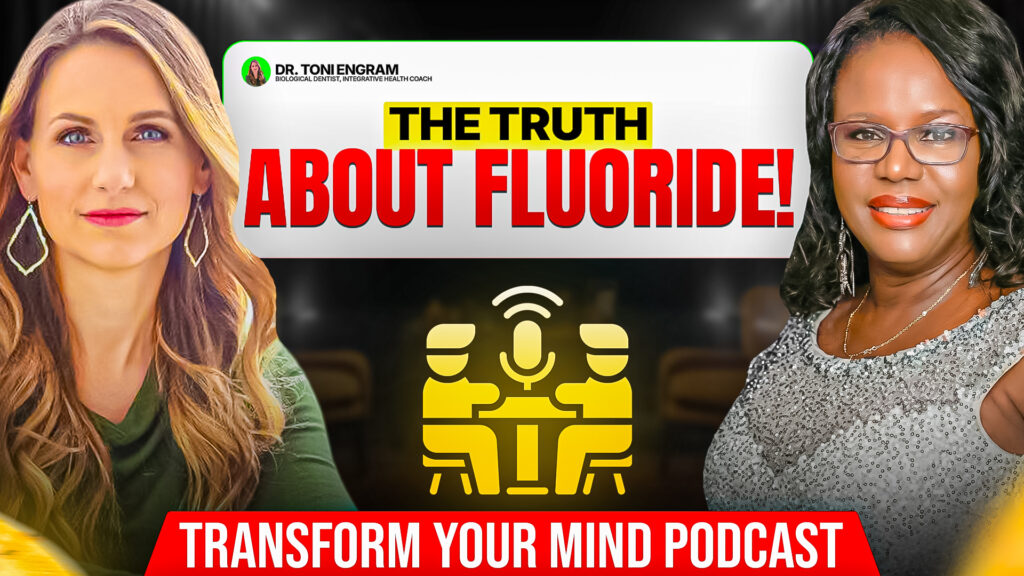
Join host Myrna Young and guest Dr. Toni Engram as they explore the fascinating world of biological dentistry. Discover why eliminating fluoride and mercury can improve oral and overall health. Dr. Engram, an integrated health coach and biological dentist, shares insights on connecting oral health to gut health, reversing periodontal disease naturally, and safe removal of mercury fillings. Learn about alternatives to fluoride for cavity prevention and how diet and sleep impact dental health. This conversation offers valuable tips for maintaining a healthy mouth and a healthy body.
In recent years, there has been a burgeoning interest in holistic approaches across various fields of healthcare. Dentistry, a crucial component of overall wellness, is no exception. In a captivating discussion with Dr.Toni Engram, an integrated health coach and biological dentist, we delve into the transformative potential of biological dentistry.
The conversation navigates through the importance of fluoride free toothpaste and mercury for oral and systemic health. The holistic impact of gum disease, and innovative alternatives for dental care.
Key Takeaways
- The intersection of oral health and systemic wellness: Understanding how holistic approaches in dentistry, such as removing fluoride and mercury, play a critical role in enhancing overall health.
- Biological Dentistry vs. Traditional Methods: How biological practices prioritize prevention, natural materials, and the root causes of oral health issues.
- Natural alternatives to fluoride and preventative care: Discover the effectiveness of ingredients like xylitol and hydroxyapatite in maintaining dental hygiene.
The Significance of Biological Dentistry in Oral Health
Biological dentistry offers a paradigm shift from the traditional drill-and-fill model by integrating whole-body health considerations. As Dr. Engram elucidates, the focus extends beyond immediate mouth issues to address underlying causes, such as diet and lifestyle. “A biological dentist,” she explains, “is focusing on the holistic whole body when we look at your mouth,” underscoring the importance of cross-referencing oral health with systemic health factors.
This holistic method involves scrutinizing the materials used in dental treatments, thus avoiding fluoride and mercury, both of which have been subjects of extensive debate. Dr. Engram is firm in her practice philosophy, opting for fluoride-free methods and mercury-safe alternatives to minimize the risk of neurotoxicity and other health detriments associated with these substances. Her approach reflects a growing trend in dentistry, advocating for healthier, cleaner ways to attain optimal oral health.
Fluoride and Mercury Under Scrutiny: Why Elimination is Key
The presence of fluoride and mercury in dental care has long been conventional, yet recent studies suggest repercussions that warrant reconsideration. Dr. Engram describes fluoride as a tool for cavity prevention but warns, “You really can’t control the dose at all,” which poses a risk especially for children.
Moreover, she highlights studies linking fluoride exposure to decreased IQ in children, calling for cautious use particularly in community water fluoridation programs.
Mercury, commonly found in older silver fillings, is another agent of concern. “Mercury makes up 50% of those old silver fillings,” Dr. Ingram points out, emphasizing its status as a potent neurotoxin. Removal of these fillings is delicate work, as the process can release harmful vapors.
Dr. Ingram stresses the necessity for SMART-certified removal protocols to minimize exposure, urging patients to proactively seek biological dentistry for procedures involving amalgam fillings.
Sponsored Ad

Natural Alternatives: Toward a Fluoride Free Hygiene Paradigm
With the rising critique of traditional dental materials, natural and safer alternatives have gained traction. Dr. Engram’s practice focuses on components like xylitol and calcium hydroxyapatite as effective fluoride-free options. She notes, “These ingredients help remineralize teeth,” thereby providing a scientifically-backed substitute for conventional fluoride treatments. Such alternatives exemplify how holistic practices are not merely about avoidance but about intelligent substitution.
Beyond individual ingredients, diet and lifestyle play a substantial role in oral health management, according to Dr. Ingram. Emphasizing a diet rich in whole foods, proteins, and healthy fats, she asserts that these elements are instrumental for nutrient absorption and overall mouth health. Moreover, adequate sleep and stress management are essential to reducing the inflammation often manifesting as gum disease.
A Broader Perspective on Integrative Oral Health
Biological dentistry underscores a comprehensive strategy in addressing oral health – with practices extending to saliva testing, individualized nutrition, and non-toxic treatment methods. This integrative approach reflects a broader understanding that the mouth is not isolated in healthcare but an integral part of one’s overall physical system. As Dr. Ingram asserts, “Your mouth is part of your gut,” highlighting the consequential link between oral health and gut microbiome balance.
In navigating these insights, the overarching message speaks volumes to the importance of informed choices and active engagement in healthcare.
Dr. Ingram champions a patient-centered approach, empowering individuals to become their own best advocates for health by understanding the potential impacts of conventional substances and the available natural alternatives.
Such conversations spur forward-thinking attitudes and practices that could reshape dentistry to harmonize with holistic health principles.
In a field as foundational as dentistry, the insights shared illuminate a promising path toward enhanced health outcomes through informed decision-making and integrative methods.
As change continues to unfold, the critical task remains for both practitioners and patients: to embrace awareness, cultivate knowledge, and apply it toward a future of mindful health maintenance.
What is Fluoride?
How Fluoride Works
- Remineralization: Fluoride rebuilds and strengthens weakened tooth enamel, reversing early, invisible signs of decay.
- Acid Resistance: It makes the tooth surface more resistant to acid produced by bacteria, plaque, and sugars.
- Topical vs. Systemic: It acts topically (applied directly to teeth via toothpaste/treatments) and systemically (ingested, which then becomes part of saliva to bathe teeth)
Common Sources of Fluoride Including Tap Water
- Community Water: Many public water supplies are fluoridated to improve oral health.
- Dental Products: Fluoride toothpaste, mouth rinses, and professional varnishes/gels.
- Natural Sources: Found in water, tea, coffee, and seafood.
Safety and Recommendations
- Recommended Intake: Adults (19+) typically need 3 to 4 milligrams of fluoride daily.
- Dental Benefits: It is beneficial for both children (as teeth develop) and adults (for enamel protection).
- Safety: While excessive, long-term ingestion during tooth development can cause dental fluorosis (spots on teeth), fluoride is considered safe and effective when used as directed.
Additional Resources
Tune into full episodes for more expert insights and engaging content, learning to transform not only your oral health but your overall lifestyle with practical, holistic approaches. Stay connected with our podcast community for more enlightening discussions and expert advice.