Vitamins and supplements are tools to fill nutritional gaps, not substitutes for a healthy diet. While some targeted supplements are scientifically proven to help specific deficiencies or health conditions. Most vitamins and supplements offer no proven benefit in preventing heart disease or cognitive decline, and many are unregulated.
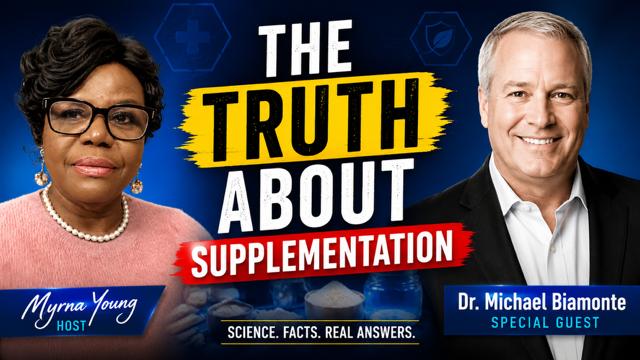
In this article explore the vital connection between gut health and overall well-being as host Myrna Young engages with Dr. Michael Biamonte, founder of the Biamonte Center for Clinical Nutrition. Delve into the world of vitamins and supplements.
Uncover why standard approaches often fail, and learn about the role of candida in gut health. Dr. Biamonte shares insights on personalized nutritional testing. The environmental impact on health, and the significance of understanding supplementation needs. Tune in to discover how to achieve true health balance.
Key Takeaways
- The Gut as the Second Brain: The gut's role extends beyond digestion, significantly influencing mental health and overall well-being. Its microbiome balances are crucial in maintaining health.
- Dangers of Unchecked Supplementation: Taking vitamins and supplements without proper testing can lead to more harm than good, creating imbalances and possibly triggering adverse effects.
- Candida's Hidden Threats: Commonly associated with yeast infections, Candida in the gut is a frequently overlooked catalyst for various disorders, articulating a need for specialized treatment and recognition.
- Advanced Testing for Personalized Health: Utilizing both genetic and functional testing can identify specific health predispositions and present deficiencies, promoting more targeted and effective health interventions.
- Environmental Toxins and Health: Modern environmental toxins play a significant role in health challenges, underscoring the necessity of comprehensive detoxification as a facet of medical treatment.
Notable Quotes:
"Every one of those chemistries...would be regulated by the amount of lecithin or choline and inositol in the person's bloodstream."
"What I noticed...was about how many people were taking supplements that not only didn't they need, but they were throwing them further out of balance."
"Candida...throws out all types of toxins into your bloodstream that affect you neurologically."
"The environment is so toxic...Autism exists because of how toxic the environment has become."
Guest Bio
Discerning the Right Vitamins and Supplements: The Importance of Testing
In an age where vitamins and supplements are heavily marketed as the panacea for various health issues, the decision to consume them without testing can lead to an imbalance. Dr. Michael Biamonte highlights this during the conversation with Myrna Young, stating, “It’s important that people understand…get tested because you could throw yourself dramatically out of balance by taking things that you don’t know you need.”
The narrative of Dr. Biamonte’s encounter with a medical doctor suffering from prostate issues exemplifies the consequences of indiscriminate supplementation. The doctor, following popular advice, consumed excessive zinc, unknowingly depleting his body of copper-an essential mineral, often overlooked.
Through testing, it became apparent that a copper deficiency was responsible for his worsened condition. This revelation underscores the necessity of assessing individual nutritional needs, as blindly following supplement trends can lead to detrimental health effects.
Dr. Biamonte’s practice incorporates advanced nutritional testing to personalize supplementation, which is a crucial step toward optimal health. His methodology demonstrates that integrating technology into healthcare can uncover deficiencies and toxicities, providing a more accurate and tailored health strategy.
The Gut-Mind Connection: Exploring the Role of Candida
Candida is a term that many associate with yeast infections, but few recognize its significant impact on gut health and, by extension, mental well-being. Dr. Biamonte shares, “The primary place that candida lives, it lives in the gut… It’s an imbalance of microbiome.”
The implications of Candida overgrowth in the gut can be far-reaching, manifesting as fatigue, digestive issues, mental fog, and even autoimmune disorders. Dr. Biamante’s approach to understanding the microbiome’s dynamics and their implications on both physical and mental health exemplifies the intricate connection between the gut and the mind. “Candida throws out all types of toxins into your bloodstream that affect you neurologically,” he explains, highlighting how gut health can directly alter our psychological state.
Addressing Candida, especially through a multidisciplinary approach involving dietary adjustments and controlled antifungal treatments, can transform a person’s overall health. The conversation emphasizes the need for awareness and effective treatment of gut imbalances to reclaim control over physical and mental well-being.
Navigating Environmental and Genetic Factors
Understanding the interplay between our genetic predispositions and environmental exposures is crucial for comprehensive health management. Dr. Biamonte articulates, “The environment is so toxic, it’s incredible,” shedding light on the unnoticed impact of heavy metals and toxins in everyday life. His methodology involves key tests for metal toxicities and chemical toxicities and, when combined with genetic testing, provides a dual perspective on health risks and preventative measures.
The dialogue between Dr. Biamonte and Myrna Young illustrates the importance of these tests. Conventional one-time blood tests might not reveal the complete picture. Instead, as Dr. Biamonte suggests, a series of tests including genetic profiling and analysis of potential toxic elements in the body are vital. This holistic insight aids in understanding vulnerabilities and crafting a personalized preventive strategy, elevating one’s health journey beyond symptomatic treatment to long-term well-being.
The discourse with Dr. Biamonte explores the intricate balance of health through supplements, the often-overlooked Candida connection in the gut. The necessity of combining genetic insights with environmental context. While the conventional medical field may take decades to fully embrace these integrative strategies, functional medicine already leads the way. This dynamic conversation is an imperative reminder to approach health with a discerning lens. Seeking knowledge and professionalism to truly transform mind, body, and life.
Evidence-Based Benefits of Vitamins and Supplements
- Prenatal Needs: Pregnant individuals should take prenatal vitamins containing folic acid and omega-3 fatty acids to prevent birth defects and support fetal development.
- Bone & Nerve Health: Adults over 50 often benefit from calcium, vitamin D, and vitamin B12 to maintain bone density and nerve function.
Frequently Asked Questions About Vitamins and Supplements
Are vitamin and supplements necessary if I eat a healthy diet?
What are the most common nutrient deficiencies?
Some of the most common deficiencies include Vitamin D, Magnesium, Vitamin B12, Omega-3 fatty acids, Iron, and Zinc. These deficiencies can contribute to fatigue, weakened immunity, cognitive issues, and poor metabolic health.
Can taking too many supplements be harmful?
Yes. More is not always better. Excessive intake of certain vitamins and minerals, especially fat-soluble vitamins such as Vitamins A, D, E, and K, can lead to toxicity and unwanted side effects. Always follow recommended dosages and consult a healthcare professional when appropriate.
Are natural supplements better than synthetic vitamins?
Not necessarily. The quality, bioavailability, and purity of a supplement are often more important than whether it is labeled natural or synthetic. Some synthetic vitamins are highly effective, while some natural products may have poor absorption.
How can I tell if a supplement is high quality?
What supplements support healthy aging and longevity?
Can supplements replace a healthy lifestyle?
No. Supplements are designed to supplement-not replace-a healthy lifestyle. Nutrition, exercise, sleep, hydration, and stress reduction remain the foundation of long-term health and wellness.
How do vitamins and supplements support longevity?
Additional Resources
- Biamonte Center for Clinical Nutrition: https://health-truth.com
- The Candida Chronicles: Book by Dr. Michael Biamonte, available on Amazon